

Italy is a roadmap of flavor. Alpine chill up north, Mediterranean sun down south, and centuries of know-how turn native grapes and iconic spirits into bottles with real personality. From Barolo to Prosecco, amaro to limoncello, you get charm, structure, and steady value.
What makes it special
- Native grapes with identity: Sangiovese, Nebbiolo, Aglianico, Nero d’Avola, Verdicchio, Vermentino, Garganega.
- Clear quality cues: DOC/DOCG for place, “Classico” for historic heartland, “Riserva” for extra aging.
- Food-first style: bright acidity, moderate alcohol, and texture that plays well at the table.
Grapes and styles to know
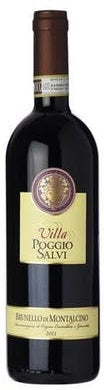
- Sangiovese (Tuscany): cherry, herbs, tea leaf. Chianti Classico, Brunello di Montalcino.
- Nebbiolo (Piedmont): rose, tar, red cherry, firm tannins. Barolo, Barbaresco.
- Pinot Grigio & Friulano (Friuli/Alto Adige): crisp, mineral, clean.
- Garganega (Soave): pear, almond, saline snap.
- Aglianico (Campania/Basilicata): dark fruit, spice, structure.
- Nero d’Avola & Etna reds (Sicily): ripe plum or volcanic lift (Nerello Mascalese).
- Verdicchio (Marche): citrus, fennel, chalk.
Regions at a glance
- Piedmont: Barolo/Barbaresco for age-worthy reds; Arneis and Gavi for fresh whites.
- Tuscany: Chianti Classico, Brunello, Vino Nobile; olive and herb notes, elegant tannins.
- Veneto: Prosecco for bright bubbles; Amarone for dried-grape richness; Soave for textured whites.
- Lombardy: Franciacorta traditional-method sparkling with brioche finesse.
- Friuli & Alto Adige: Pinot Grigio that actually tastes like something, plus aromatic, mineral whites.
- Campania & Basilicata: Aglianico with grip; Fiano and Greco for layered whites.
- Sicily & Sardinia: Sunny reds, salty whites, and volcanic nuance.
Bubbles, sweet, and fortified
- Prosecco: green apple, pear, lively mousse.
- Franciacorta/Trento DOC: Champagne-method depth.
- Vin Santo & Passito: honeyed dessert wines.
- Marsala: nutty, caramelized, great for sipping and sauces.
Aperitivo & digestivo
- Vermouth di Torino for Martinis and Negronis.
- Amaro (Averna, Montenegro, Fernet) for bittersweet lift.
- Limoncello for lemon-bright chill.
- Grappa for a dry, aromatic finish.
Flavor snapshot
Red cherry, plum, rose, dried herbs, orange peel, almond, anise, and a confident line of acidity. Whites lean citrus and stone fruit with mineral edges. Bubbles bring green apple and brioche.
Pairing playbook (veg-forward)
- Sangiovese: tomato pasta, mushroom pizza, pecorino.
- Nebbiolo: truffle risotto, grilled mushrooms, aged cheeses.
- Pinot Grigio/Soave/Verdicchio: salads, fried artichokes, seafood-style veg, goat cheese.
- Aglianico/Etna reds: roasted peppers, eggplant parm, hard cheeses.
- Prosecco/Franciacorta: salty snacks, fritto misto-style veg, sushi.
Buying tips
- For classic Tuscany, look for Chianti Classico with a vintage and “Riserva” if you want more depth.
- Prefer perfume and grip? Choose Barolo/Barbaresco; for earlier drinking, try Langhe Nebbiolo.
- Want a real Pinot Grigio? Shop Friuli or Alto Adige.
- Love bubbles? Brut Nature or Extra Brut Prosecco for drier style; Franciacorta for complexity.
Serving notes
- Whites/Prosecco 45–50°F
- Light/medium reds 58–62°F
- Structured reds 60–65°F (a brief decant helps)
- Amaro/Limoncello/Grappa chilled to cool room, to taste
Bottom line
Italy delivers range and reliability. Whether you want a weeknight Pinot Grigio, a celebration-ready Prosecco, or a cellar-worthy Barolo, there’s an Italian bottle that fits your plate, mood, and budget.
FAQs
1) Prosecco vs Franciacorta: what’s the difference?
Prosecco is tank-method, fruit-forward, and wallet-friendly. Franciacorta uses the traditional method for finer bubbles, brioche notes, and more depth.
2) Chianti Classico or Brunello—how should I choose?
Chianti Classico is vibrant and versatile for everyday meals. Brunello (100% Sangiovese, longer aging) is deeper and built for special dinners or cellaring.
3) Is Pinot Grigio always light and neutral?
Not in the north. Friuli and Alto Adige versions show real texture and minerality. If you want more character, shop those regions.