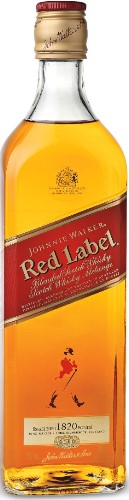
Johnnie Walker Scotch Red Label 375ml

Johnnie Walker Scotch Red Label 375ml

88 (BTI) 89 (WE)
Regular price $14.99 USD /bottle
Regular price Sale price $14.99 USD
Sale Sold out
Qualifies for
12 SHIP FREE
RAPID SHIP

Product Details

Johnnie Walker Red Label from Scotland is the kind of friendly, no-fuss blended scotch you reach for when you want something versatile and easygoing—think bright, honeyed aromatics with a fresh pear lift that pull you in right away. On the palate it’s soft and silky, carrying warm vanilla and a touch of toffee that makes it immediately drinkable, while a gentle oak and baking-spice warmth builds toward the finish; expect nutmeg and cinnamon notes that linger without overpowering. It’s lively enough to stand up in a highball or a classic mixed drink, but smooth enough to enjoy over a single rock when you’re winding down; I like it with ginger ale, a splash of soda and lemon, or paired with a boldly spiced sausage or sharp cheese to balance the sweet-spice profile. Trusted as an everyday staple, Red Label keeps things relaxed and flavorful whether you’re mixing or casually sipping with friends.

Perfect Pairings: Spicy grilled sausages, aged cheddar, or a square of dark chocolate.

Tasting Notes
- Aroma: Honeyed pear and light malt
- Palate: Smooth vanilla, toffee, and soft oak
- Finish: Warm nutmeg and cinnamon baking spice

  • Brand Johnnie Walker
  • Country Scotland
  • SKU 1199401
size
Discover expert
WE 89 PTS

Wine Enthusiast

Default-Varietal

Default-Varietal

We’re confirming the grape or grapes with the producer, or this may not be applicable.

country-Scotland

Scotland

Scotland is whisky country—misty coasts, peat fires, slow aging, and barley turned into liquid story. From honeyed Speyside malts to smoky Islay drams, you get range, depth, and a clear sense of place. Beer lovers and gin fans aren’t left out either.

What makes it special

  • Protected origin: “Scotch whisky” must be distilled and aged in Scotland, at least 3 years in oak.
  • Peat + climate: Cool temps and coastal air shape flavor; peat smoke adds that signature savory edge.
  • Cask magic: Ex-bourbon and sherry casks lead the way; finishes in port, wine, or rum add color and complexity.

Regions at a glance

  • Speyside: Orchard fruit, honey, vanilla; silky and approachable.
  • Highlands: Broad style; from malty and heathered to gently smoky.
  • Islay: Peat smoke, sea spray, iodine, lemon—big personality.
  • Islands (Orkney/Skye/Arran, etc.): Maritime notes, light smoke, herbal lift.
  • Lowlands: Soft, grassy, citrusy; great gateway drams.
  • Campbeltown: Briny, oily, subtly smoky with salted caramel vibes.

Styles you’ll see

  • Single Malt Scotch: 100% malted barley, one distillery—flavor-forward.
  • Blended Scotch: Malt + grain whiskies, consistent and great value.
  • Single Grain / Blended Malt: Sleek or layered, often used for finishes.
  • Cask Strength / Peated: Higher ABV or smoke lovers, this is your lane.

Flavor snapshot

Honey, apple, pear, vanilla, almond, citrus peel, ginger, dark chocolate, sea salt, and—when peated—campfire smoke and pepper.

Beer and gin, too

  • Scottish ales & stouts: Malty, toffee-leaning, food-friendly.
  • Scottish gin: Juniper with heather, seaweed, or citrus—clean and zippy.

Pairing playbook (veg-friendly)

  • Speyside/Highlands: Aged cheddar, roasted nuts, mushroom risotto.
  • Islay/Peated: Smoked almonds, grilled mushrooms, nori chips, dark chocolate.
  • Ales/Stouts: Veggie pies, cheddar toasties, caramelized root veg.

Buying tips

  • Age helps, but distillery style and cask matter more than the number.
  • For beginners, start Speyside or gentle Highlands; peat-curious, try a light-smoke Islands bottle before Islay.
  • Love dessert notes Choose sherry cask. Want vanilla/coconut Go ex-bourbon.
  • Value plays: good blends, NAS (no-age-statement) malts from reputable distilleries.

How to serve

Room temperature. Taste neat first, then add a few drops of water to open it up. Big ice cube if you like it colder. A tulip glass (Glencairn) concentrates aroma.

Bottom line

Scotland gives you clarity and character—something bright for newcomers, something smoky for the bold, and plenty between. Whether it’s a mellow Speyside, a maritime Island malt, or a rich stout, you’ll find balance, depth, and a finish that lingers.

FAQs

1) What’s the difference between single malt and blended Scotch?
Single malt comes from one distillery and only malted barley. Blended Scotch mixes malt and grain whiskies for a consistent, often more affordable profile.

2) Does older always mean better?
Not necessarily. Age adds polish, but cask type, warehouse location, and distillery character can make a younger whisky just as compelling.

3) I’m new to peat—where should I start?
Try lightly peated Islands or coastal Highlands first. If you enjoy the smoke and sea spray, step up to classic Islay malts.

Default-Region

Default-Region

We’re confirming the specific growing area and will update once verified. Our team is checking with the producer.

View full details